
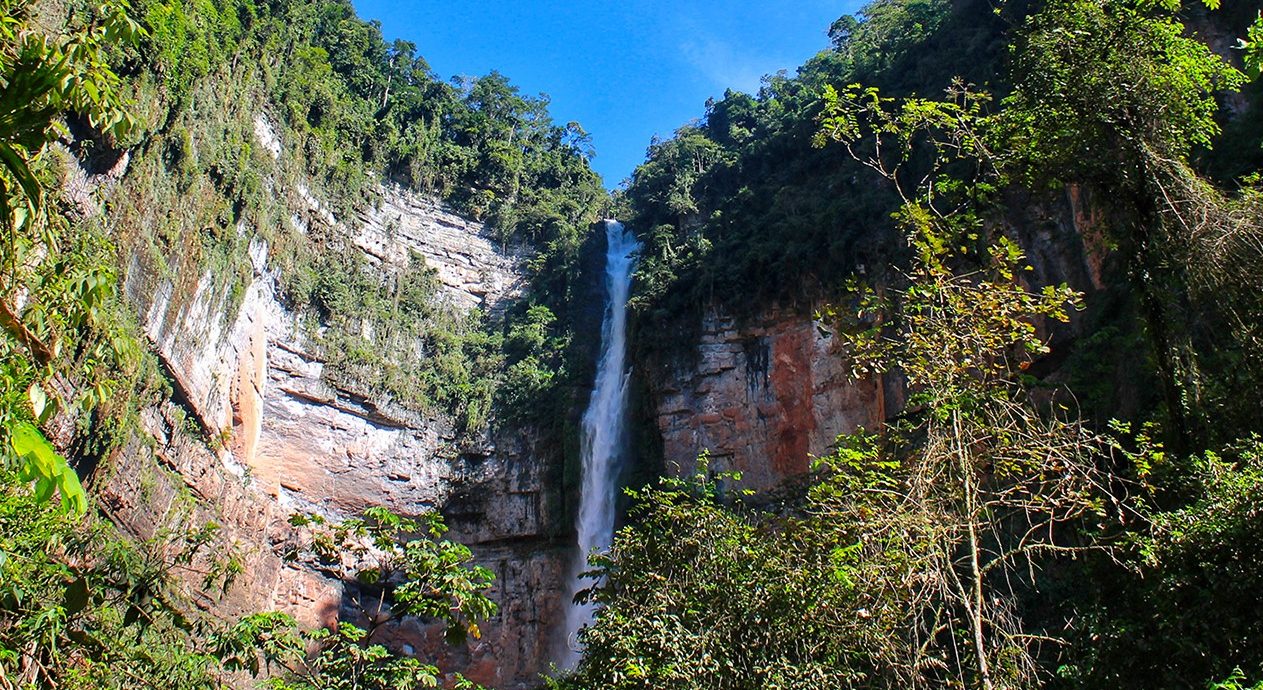
During the recent National Holidays in Peru, the vibrant city of Satipo, nestled in the heart of the central jungle, welcomed more than 30,000 visitors. This remarkable figure—twice as many as in 2024—positions Satipo as one of the most promising eco-tourism destinations in the country.
According to Juan Valenzuela, Deputy Manager of Business and Tourism Promotion of Satipo Province, travelers were drawn by breathtaking natural attractions such as Betania, Tina de Piedra, and San Andrés, as well as the authentic hospitality of the region’s native communities.
An Increasingly International Destination
While most of Satipo’s visitors come from domestic tourism, the city is also gaining international recognition. Tourists from Japan, China, Europe, and the Middle East have started to include Satipo in their itineraries, attracted by its lush landscapes and its growing reputation for high-quality cocoa and coffee production.
Thanks to the operations of the Mayor Nancy Flores Páucar Airport, located in Mazamari, Satipo now enjoys improved connectivity with other regions of Peru and even international travelers arriving through Lima or Cusco.
A Natural Paradise: Waterfalls, Rivers, and Forests
The province of Satipo lies within the VRAEM region (Apurímac, Ene, and Mantaro Rivers Valley)—a vast area of tropical forest known for its biodiversity and rich cultural heritage. Here, adventure and tranquility coexist perfectly.
Among the most visited natural attractions are:
- San Andrés Waterfalls
- Tina de Piedra Falls
- Arco Iris and Gallito de las Rocas Waterfalls
- Natural pools of Betania, perfect for swimming and relaxing
- The Golden Stone of Mazamari, believed to hold mystical and energetic properties
These destinations make Satipo a must-visit spot for travelers seeking ecotourism, trekking, and direct contact with nature.
Flavors of the Amazon: Satipo’s Culinary Richness
Beyond its stunning landscapes, Satipo delights visitors with its authentic Amazonian gastronomy. Local restaurants such as Nápoles, La Laguna de Imelda, Las Brisas, and El Águila showcase the region’s unique culinary identity.
Some of the standout dishes include:
- Tacacho con cecina (fried plantains with smoked pork)
- Chaufa amazónico, a jungle-style fried rice
- Masato, a traditional fermented cassava drink
Additionally, local cafés like Mazari, Turpay, and the Pangoa Cooperative invite tourists to enjoy exquisite coffee, cocoa, and exotic liquors, representing the agricultural pride of the region.
Living Traditions: Native Communities Open Their Doors
Satipo’s charm extends far beyond its natural beauty—it’s also a destination of living culture. The area is home to several Asháninka and Nomatsiguenga communities, who have embraced community-based tourism while preserving their traditions.
The Asháninka community of Boca Capirushari, in Mazamari, welcomes visitors to learn about their ancestral medicine, weaving techniques, and ceremonial practices. Meanwhile, the Nomatsiguenga community of San Antonio de Sonomoro, in Pangoa, showcases projects in agro-industry, handicrafts, and even the protection of an ancient saltwater reservoir, whose natural salt is valued for its flavor and healing properties.
These experiences offer travelers a rare opportunity to connect with Peru’s indigenous cultures in a respectful, immersive way.
Economic and Sustainable Growth
Satipo’s tourism growth during the 2025 holidays reflects a larger trend in sustainable tourism across Peru. Local authorities, businesses, and communities are working together to strengthen infrastructure, promote responsible travel, and enhance visitors’ experiences while protecting natural ecosystems.
This model of collaboration aligns with global efforts to ensure tourism benefits both people and the environment. The integration of native culture, ecotourism, and gastronomy makes Satipo a model for other provinces in Peru aiming to achieve sustainable growth.
A Destination Worth the Journey
For those traveling from Lima, reaching Satipo takes roughly eight hours by road, or a short domestic flight to the Mazamari airport. The trip rewards visitors with waterfalls, jungle hikes, river adventures, and authentic Amazonian cuisine—a combination that’s hard to find elsewhere.
To make your trip seamless, ensure you stay connected throughout your journey. Whether you’re navigating to remote waterfalls or translating conversations in Asháninka communities, having mobile data is essential. That’s why travelers choose PeruSIM.
With a SIM Card for tourist in Peru, you can enjoy local connectivity without worrying about expensive roaming fees. For even more flexibility, you can opt for an eSIM Peru, a digital solution that allows instant activation right from your phone—no need for a physical SIM card.
Traveling Smart with eSIM Technology
The eSIM for tourist in Peru is perfect for travelers who plan to explore multiple destinations, such as Lima, Cusco, or the central jungle. It provides stable coverage and easy management through your smartphone, ensuring that you can share photos, use GPS, or check travel information anytime.
Whether you’re hiking to the San Andrés waterfalls or tasting freshly brewed coffee in Pangoa, having reliable data will enhance your entire experience in Satipo.
Final Thoughts
Satipo’s recent success—welcoming over 30,000 visitors during the National Holidays—confirms its place among Peru’s top emerging destinations. With its mix of natural wonders, cultural depth, and warm hospitality, it embodies the spirit of the Peruvian Amazon.
For those planning a trip to Peru, Satipo offers a journey filled with waterfalls, indigenous wisdom, and unforgettable flavors. And with SIM Peru or eSIM Peru, staying connected along the way is easier than ever.
FAQs
Where is Satipo located?
Satipo is located in the Junín region, in central Peru’s jungle area, approximately eight hours by road from Lima.
What are the top things to do in Satipo?
Visit waterfalls like San Andrés and Tina de Piedra, explore the Asháninka communities, enjoy local Amazonian cuisine, and taste artisanal coffee and cocoa.
Is it easy to stay connected while traveling in Satipo?
Yes, with a SIM Card for tourist in Peru or an eSIM for tourist in Peru, you’ll have reliable mobile coverage throughout your trip, including in many rural areas.